Now that Colorado has passed the state's first-ever wildfire resiliency building code, many homeowners are wondering what it actually means for their homes, insurance costs, and future property values.
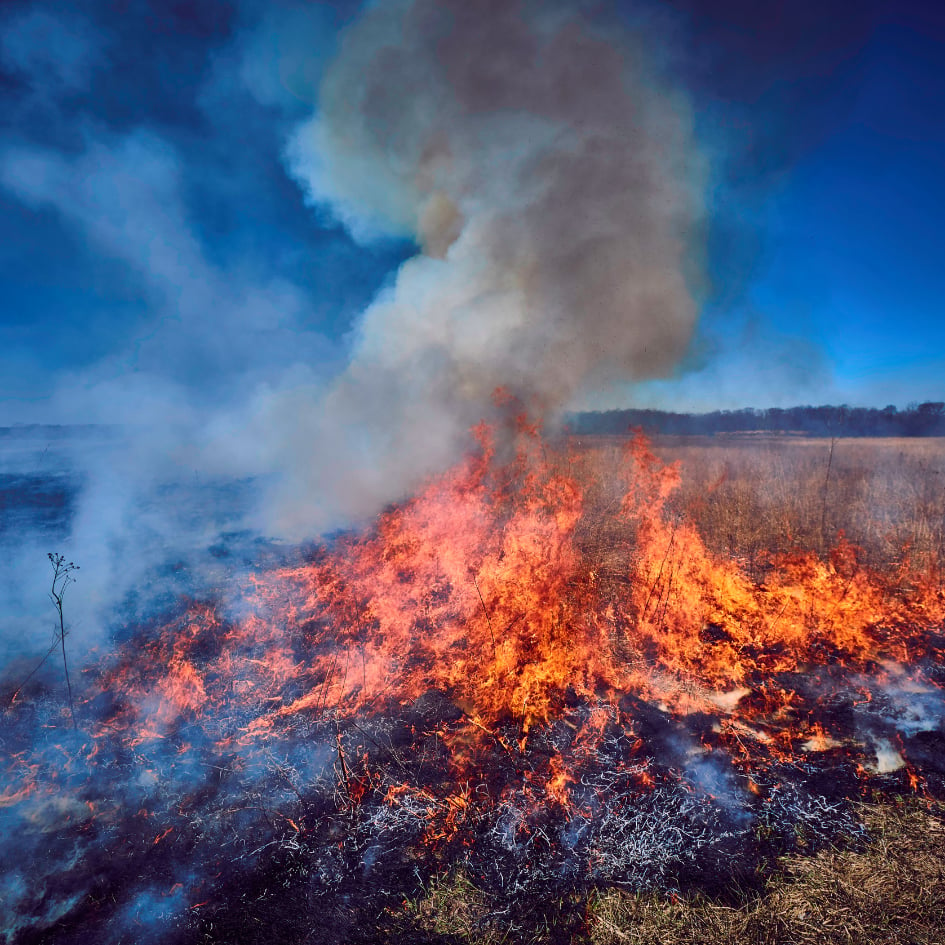
The new statewide code, created through Senate Bill 23-166, is designed to help homes better withstand wildfires as Colorado communities continue to grow into wildfire-prone areas. Colorado is now the first Western state besides California to adopt a mandatory statewide wildfire building code.
For most homeowners, the biggest takeaway is that the code primarily affects new construction in designated wildfire risk zones, also called the wildland-urban interface (WUI). New homes built in these areas will need to include more fire-resistant materials and defensible space standards. That can include ignition-resistant roofing, siding, vents, windows, decks, and fencing designed to reduce the chance of embers igniting a home during a wildfire.
Existing homeowners may also encounter the code during major repairs or renovations. One example highlighted by state officials involves hail damage. If more than 25% of a roof or exterior wall requires replacement in a wildfire-designated area, the repairs may need to meet the updated fire-resiliency standards. In some cases, that could mean replacing an entire roof instead of patching part of it.
Supporters say the code is a long-term investment in safety and insurance stability. Fire experts involved in developing the standards note that modern wildfire science shows homes often ignite from wind-driven embers rather than direct flames. Building materials and landscaping choices can significantly improve a home's ability to survive a wildfire event. Officials also hope stronger statewide standards will encourage insurance companies to continue operating in Colorado as wildfire risks increase.
At the same time, some homeowners and local leaders have raised concerns about increased rebuilding costs, inspection fees, and affordability — especially in mountain communities where wildfire risk is highest. Still, many communities already had similar mitigation recommendations in place, and local governments can adopt stricter rules if needed.
One of the most important steps homeowners can take right now is determining whether their property falls within a wildfire resiliency zone. The Colorado Division of Fire Prevention and Control and the Colorado State Forest Service created an interactive statewide map that allows residents to search their address and view wildfire intensity designations.
View the official Colorado Wildfire Resiliency Code Map here:
Colorado Wildfire Resiliency Code Map
As Colorado's housing market continues adapting to wildfire realities, resiliency features may increasingly become part of what buyers, sellers, insurers, and lenders evaluate when considering a property.